Self Esteem
As demonstrated by such indicators as
- Confidence
- Ability to express feelings
- Decision making and problem solving
- Interests and hobbies
- Future focus
01 Our programmes
BOOM serves more than 400 young people each year. The programme is built on the successful 100-year-old youth mentoring model of Big Brothers Big Sisters, emphasising youth development based on the strengths of the child never their deficits.
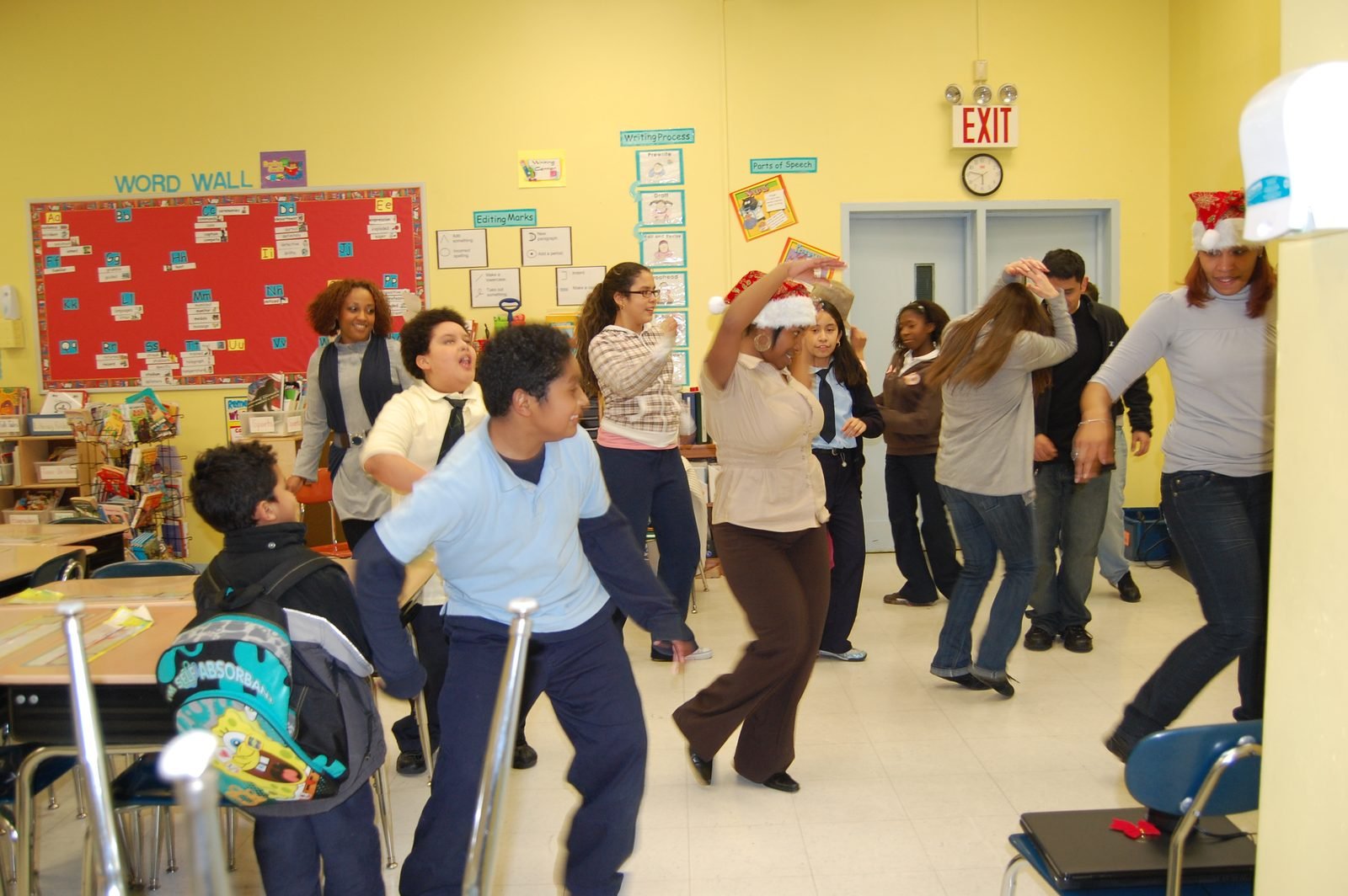
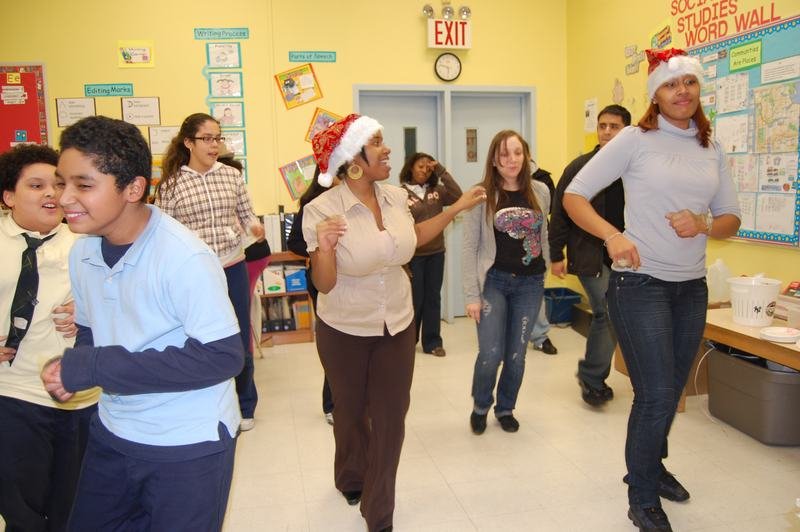
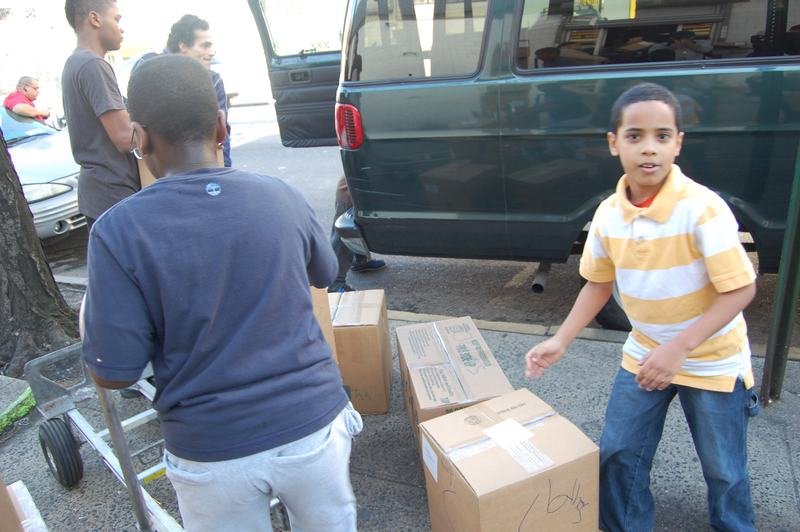
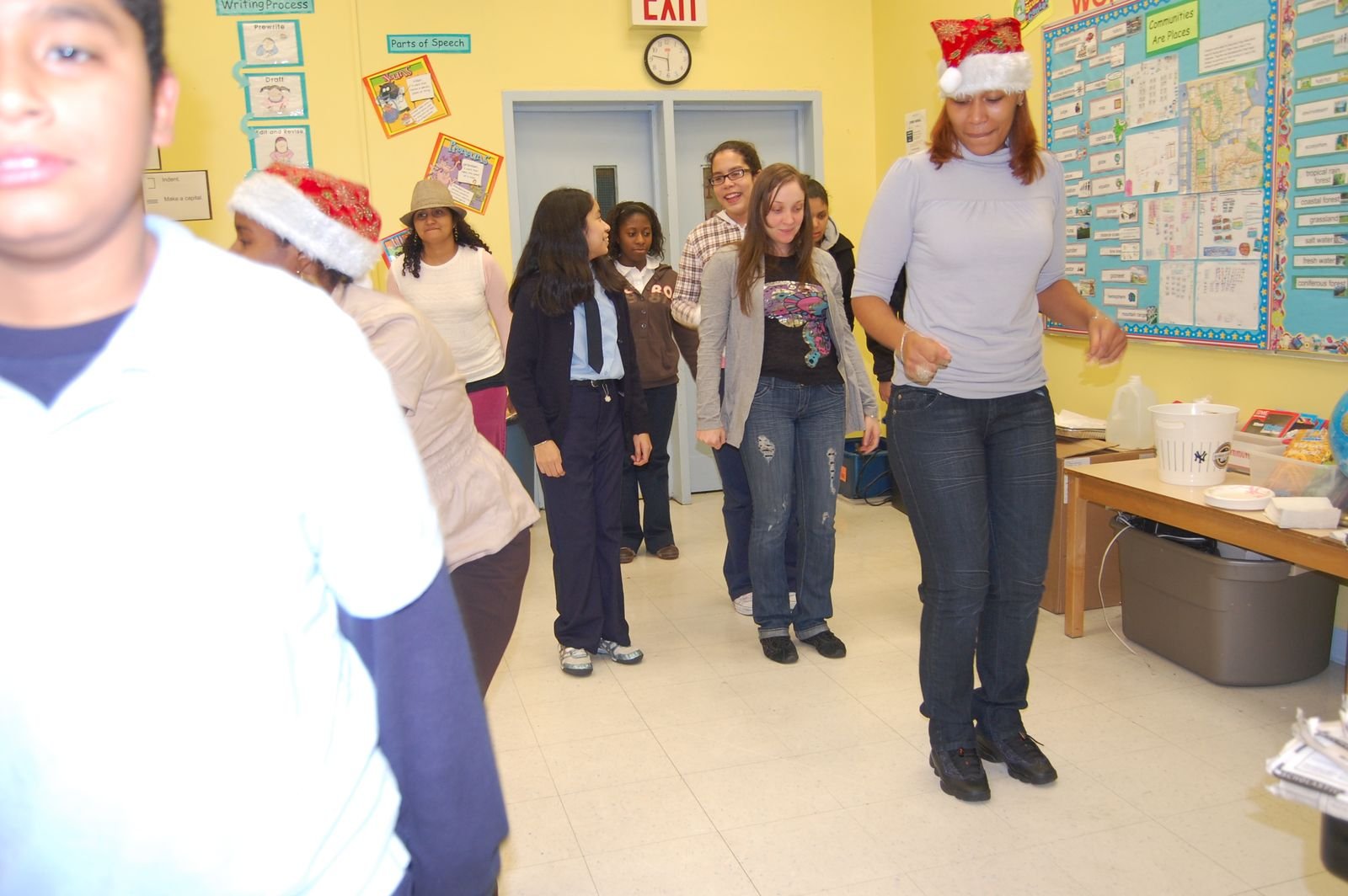
What mentees do: homework help, talent shows, service days, field trips, arts and crafts, and sport.
02 / Programme one
A one-on-one mentoring programme that pairs caring adult volunteers with at-risk youth in grades 4 through 8. Strategies are designed to engage community members as mentors, role models and programme partners in BOOM’s mission to support constructive, asset-building relationships, activities and opportunities for the youth most in need.
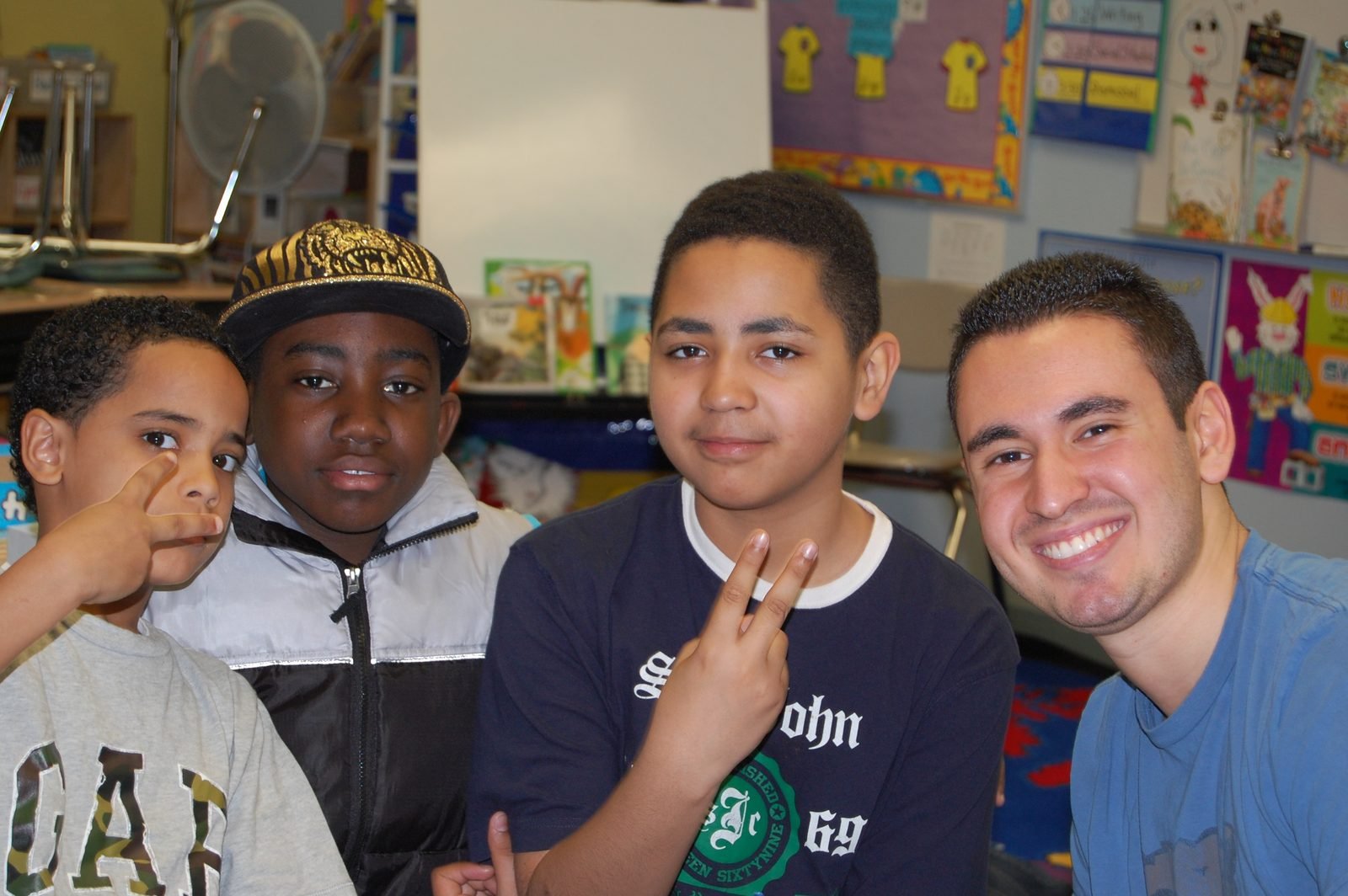
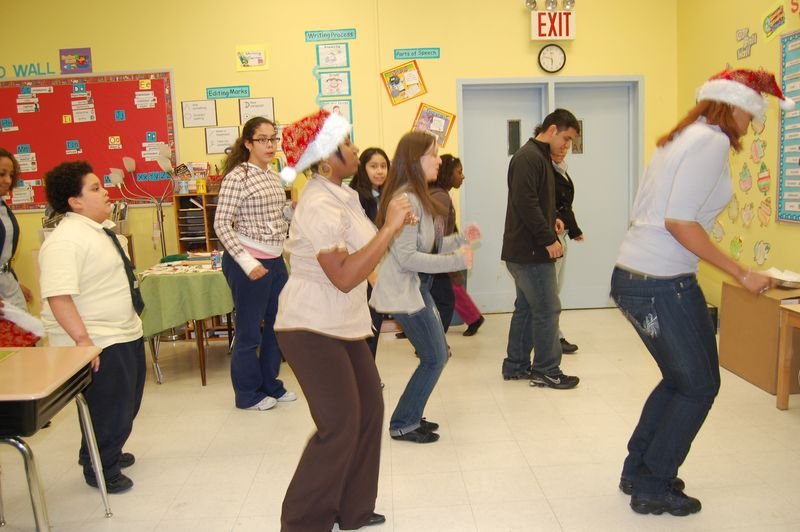
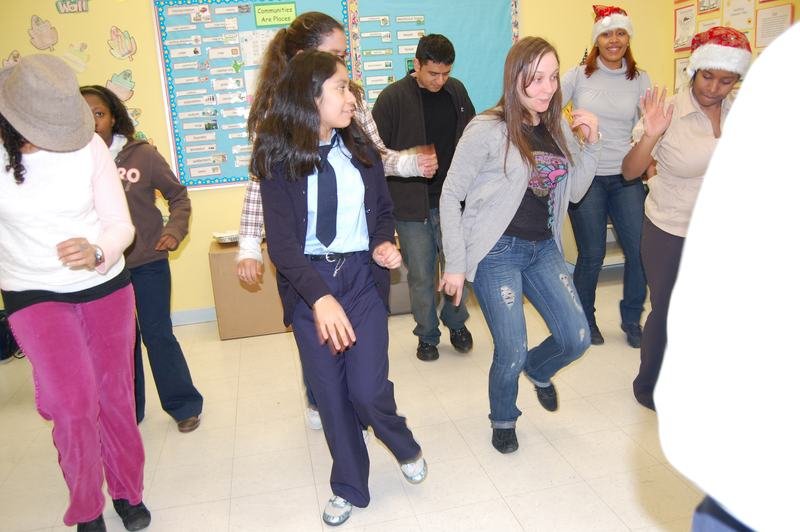
03 / Best practice
ALANY partnered with Big Brothers Big Sisters in its initial implementation of BOOM, and applies the best practice of a “Two-by-Two” mentoring system recommended by the national BBBS partnership.
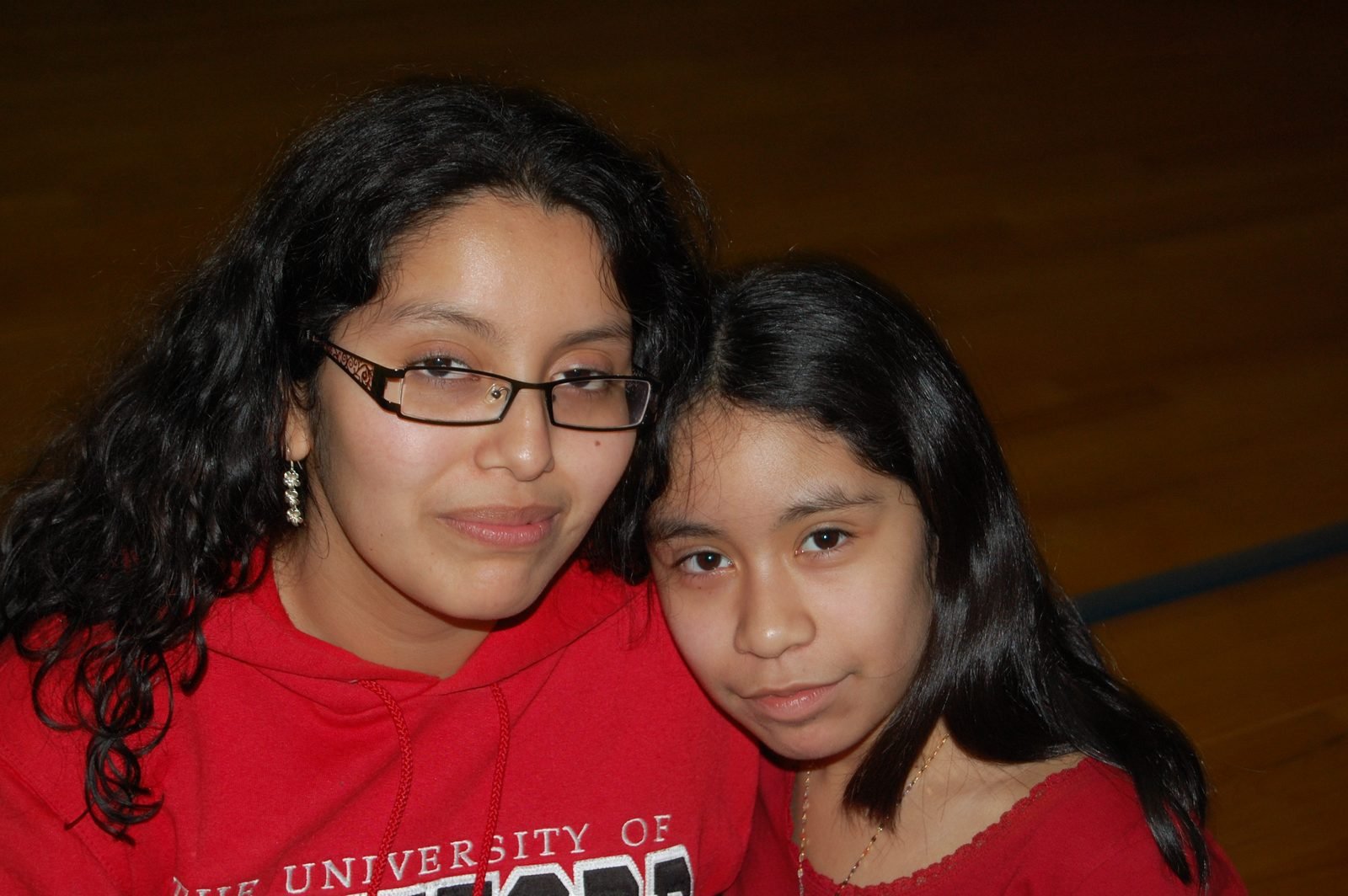
It means that while mentors and youth are matched individually, one-on-one, two mentees paired with two mentors will participate in many of the activities together.
The one-to-one bond stays completely intact. The shared activities remove the awkwardness of a brand new match, build peer friendships between the mentees, and make it far easier for a new pair to find its footing in the first difficult months — the months in which matches are most likely to fail.
04 By the numbers
0+
Young people served every single year
0hr
Weekly minimum — most matches met for two
0mo
The commitment every mentor signs before they are accepted
0mo
Tutoring at two sites, three days a week, three hours a day
0+
Career manifestations mentees are exposed to
05 / Development areas
Schools work with ALANY to identify and recruit at-risk and high-risk youth, and ALANY matches them with caring, culturally competent adult mentors. Those trained role-model mentors provide one-on-one friendship, guidance, support and encouragement to assist youth in developing three areas — each one measured by concrete indicators.
As demonstrated by such indicators as
As demonstrated by
As demonstrated by
06 / Programme two
A community-based one-on-one mentoring programme serving children of prisoners who live in Bronx County, between the ages of 8 and 18. Funded by the U.S. Department of Health & Human Services, Administration on Children, Youth and Families, under Grant Award No. 90CV0471.
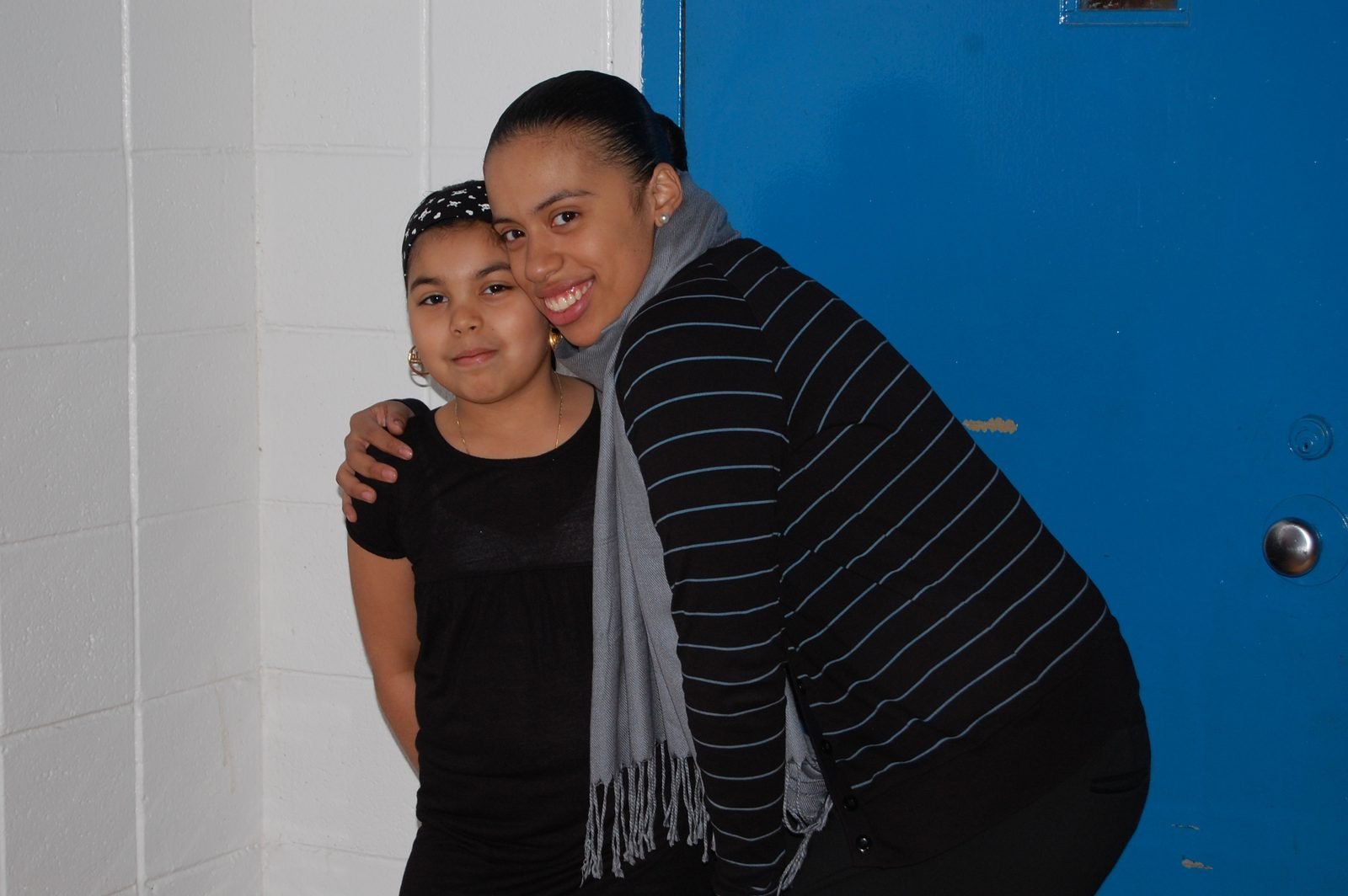
The objective is to provide children of prisoners with healthy, nurturing and well-bonded mentoring relationships that promote:
Following established models, our program creates healthy, nurturing and well bonded relationships that promote the five Cs of positive youth development: character, competencies, confidence, contribution, and connectivity with community.Israel Rodriguez, President & CEO — American Latin Association of New York
07 / How a match is made
Identifying and training mentors who can make long-term stable commitments is vital. When mentors are unable to maintain relationships lasting more than six months, the effect on the mentee can be adverse — so ALANY screens hard and supports continuously.
A formal application including references, employment information and character profile information, in addition to essential data.
Used to determine motivation to fulfil the requirement of weekly mentoring for a minimum of a year, and to provide an opportunity for character assessment.
Federal, state and local criminal records registries, child and domestic abuse registries, and the national sex offender registry — plus a minimum of three checked references.
Applicants sign a commitment oath prior to acceptance, demonstrating a good-faith intention to maintain weekly mentoring for at least one year.
Trainings are conducted by the Mentoring Partnership of New York, with handbooks and resource booklets, followed by ongoing monthly workshops on communication with children, developmental stages of youth, and asset building.
Adult and youth profile forms are uploaded to a databank recording interests, needs and strengths. Matches are made on consistency of shared interests, pairing mentor strengths against mentee needs, and geographic proximity.
Community Mentor Coordinators check in formally with mentors and mentees separately every month. Mentees receive “My Life Events” books to document their own experiences, and mentors have a peer support group that meets bi-monthly.
08 / What mentees actually do
The list below is taken directly from ALANY’s final report to the U.S. Department of Education, answering the question “What kinds of activities did mentors and students participate in?”
09 On the ground
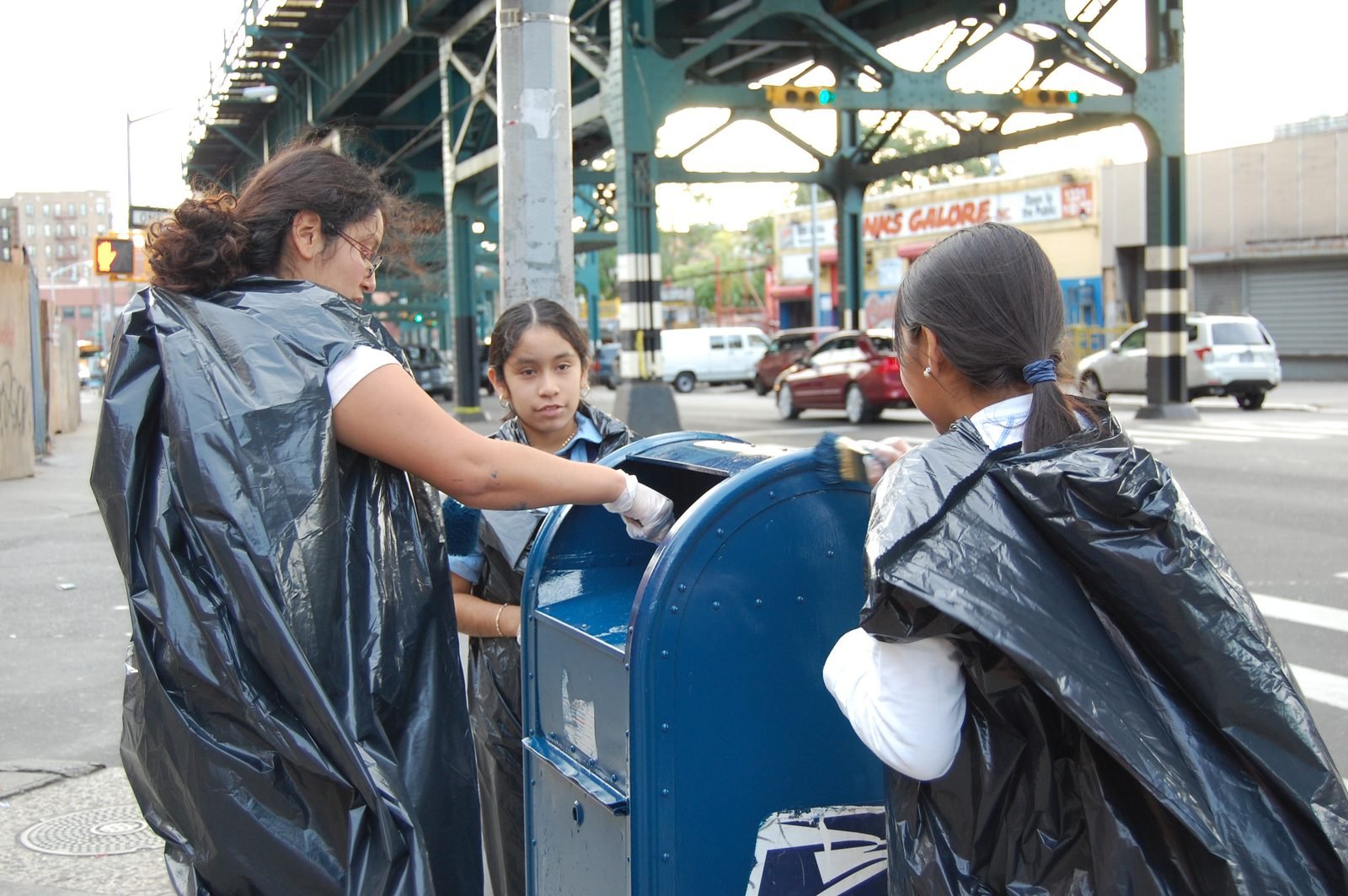
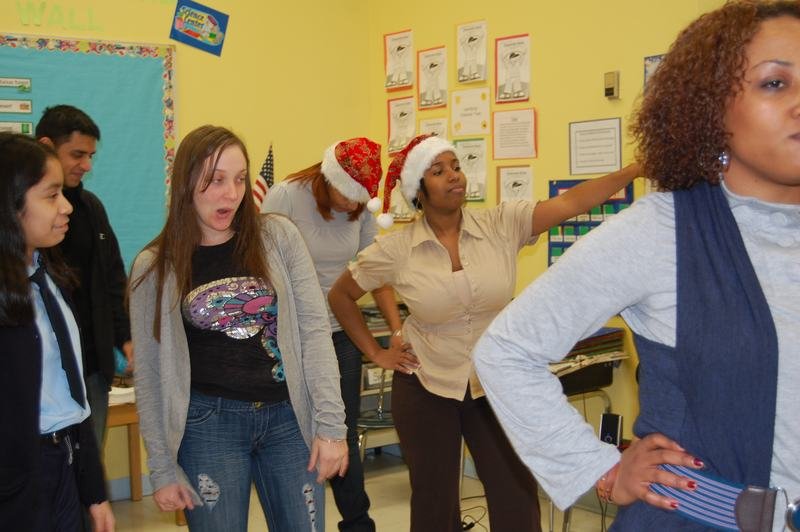
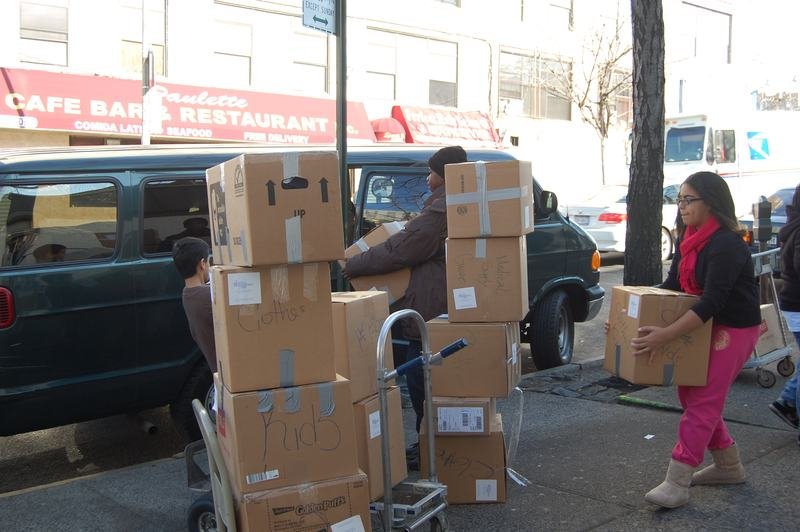
Service days, the family dinner, the holiday party and the donation drives. Use the arrows to move through them; select a photo to enlarge it.
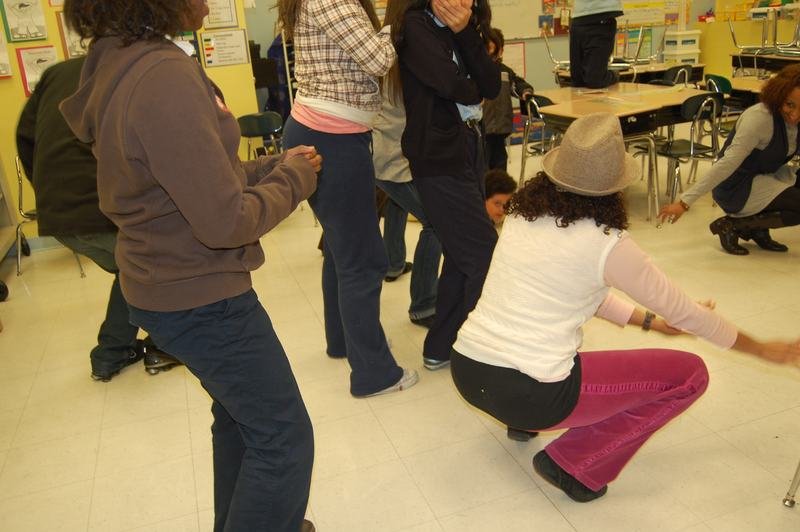
10 Beyond the school gate
Mentors and mentees attend sporting events such as New York Yankees games and college basketball; cultural events including the Dominican Day Parade, the Puerto Rican Day Parade and the West Indian Carnival; exhibit openings across New York City’s museums and children’s art programmes at the Natural History Museum and the Museum of Modern Art.
Civic-awareness activities include community gardening programmes, Earth Day activities and age-appropriate volunteering, alongside visits to the Bronx Zoo and the Bronx and Brooklyn Botanical Gardens — and quiet one-on-one time at cafés, restaurants and libraries.
11 / Photo gallery
A further 32 photographs from BOOM sessions, talent shows, service days, family events and outreach across the borough — none of them repeated from the sections above. Filter by what you want to see; select any image to open it full size, then use the arrow keys to move between photos. The full archive — 133 photographs — is on the gallery page.
Showing 32 of 32 photographs
12 Take part
BOOM needs mentors, partner organisations and referrals — and it needs funding for the activities, materials and transport that keep matches together through the year.
Call (347) 590-0285 or email Israel@americanlatin.org